

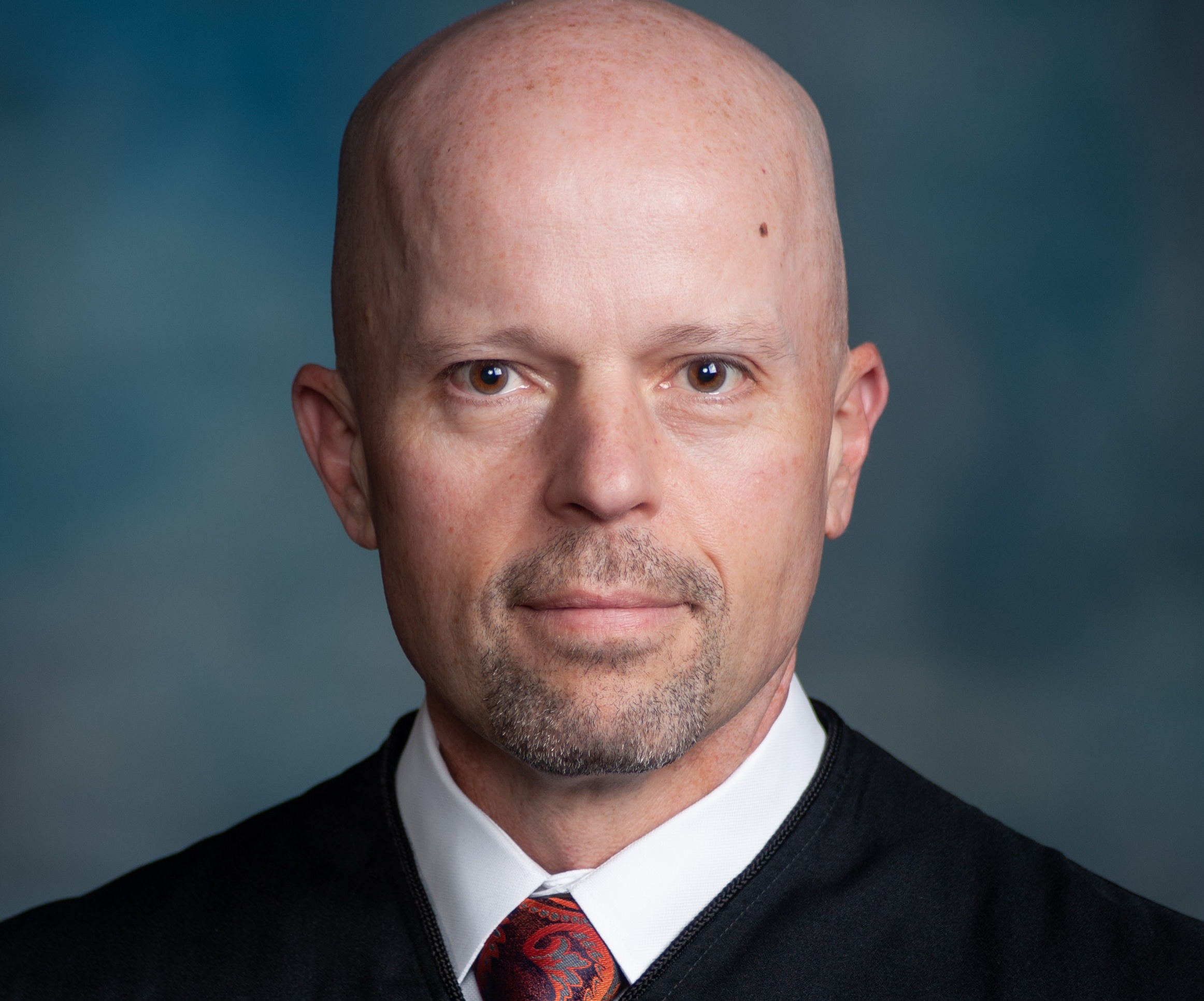
Supreme Court Justice Jerod Tufte (Photo: North Dakota Court System)
FARGO (KFGO) – North Dakota Supreme Court Justice Jerod Tufte is cautioning attorneys against relying on unvetted artificial intelligence tools, while pointing to his track record of enforcing constitutional boundaries between branches of state government.
Thursday on KFGO’s “News and Views,” Tufte said the increasing use of generative AI in legal research has introduced risks, including “phantom” citations and fabricated case law. Tufte, who has a background in computer engineering and trains judges on technology integration, warned that submitting AI hallucinations carries professional consequences.
“Everybody who signs a document and files with the court is responsible for what they file and that it’s accurate,” Tufte said, noting that courts must weigh whether flawed briefs warrant formal penalties. “The other side shouldn’t have to pay their lawyer to review things that are entirely fictitious.”
Beyond technology, Tufte emphasized the high court’s role in adjudicating inter-branch conflicts. Having served as general counsel to former Gov. Jack Dalrymple before taking the bench, Tufte said his executive background provides insight into the constitutional limits of both the governor and the legislature.
He highlighted key separation-of-powers rulings, including the court’s decision upholding the state constitution’s single-subject requirement against omnibus end-of-session budget bills passed by lawmakers. Rather than making policy, Tufte argued that the judiciary’s mandate is to provide consistency by interpreting statutory text according to its plain meaning.
“Courts aren’t supposed to be flashy,” Tufte said. “If we’re doing our job well, it’s interpreting the laws that the legislature wrote or that the people amended into the constitution. There shouldn’t be a lot of surprises in how a court interprets the law.”







Comments